主題:Course Sharing: Introduction to Chinese Medicine
關於《中醫學導論》課程分享
尊敬的鄭醫師:
Dear Dr. Zheng,
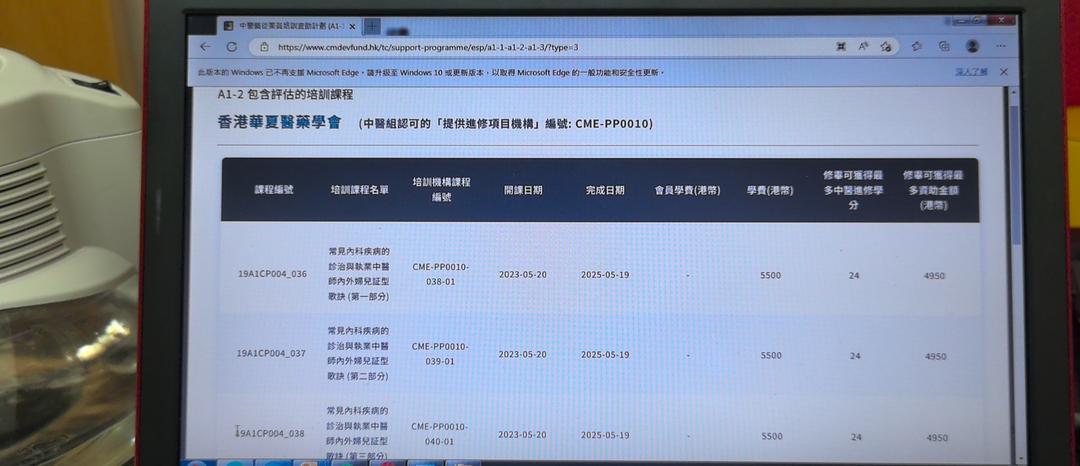
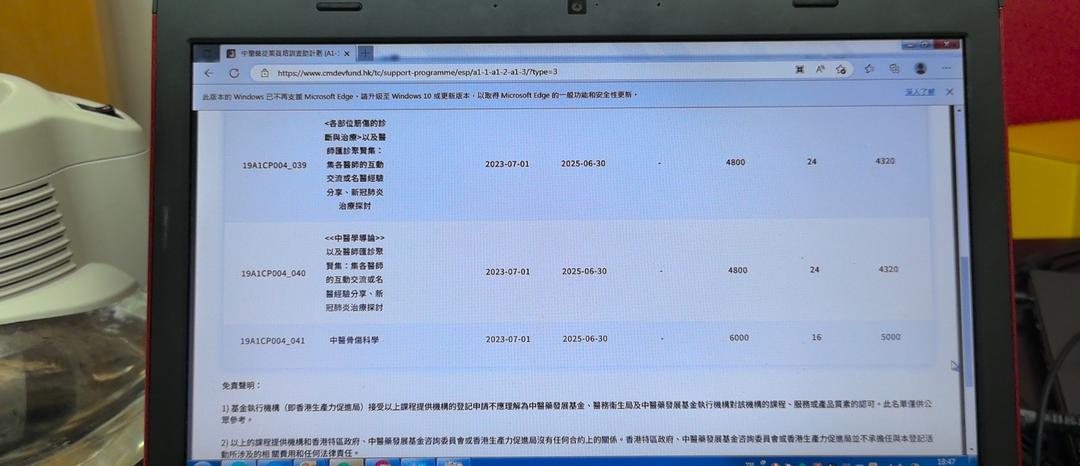
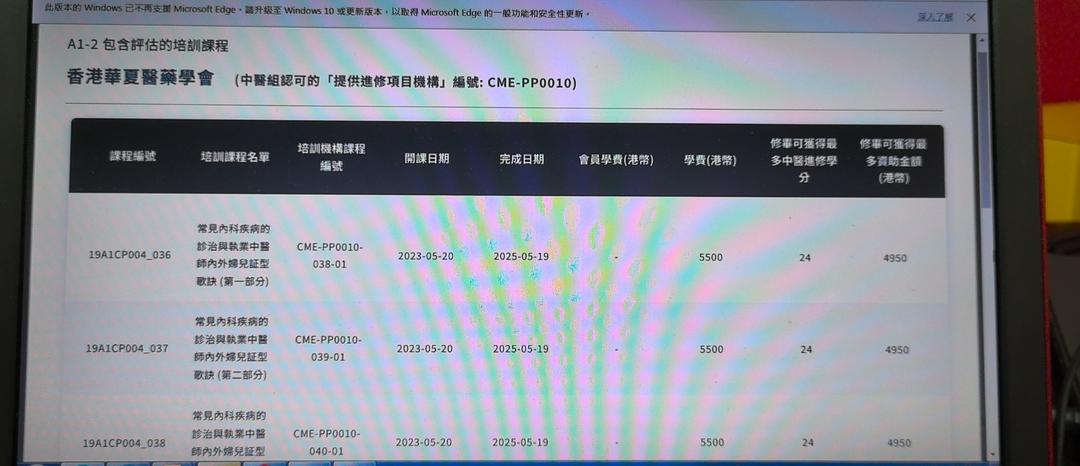
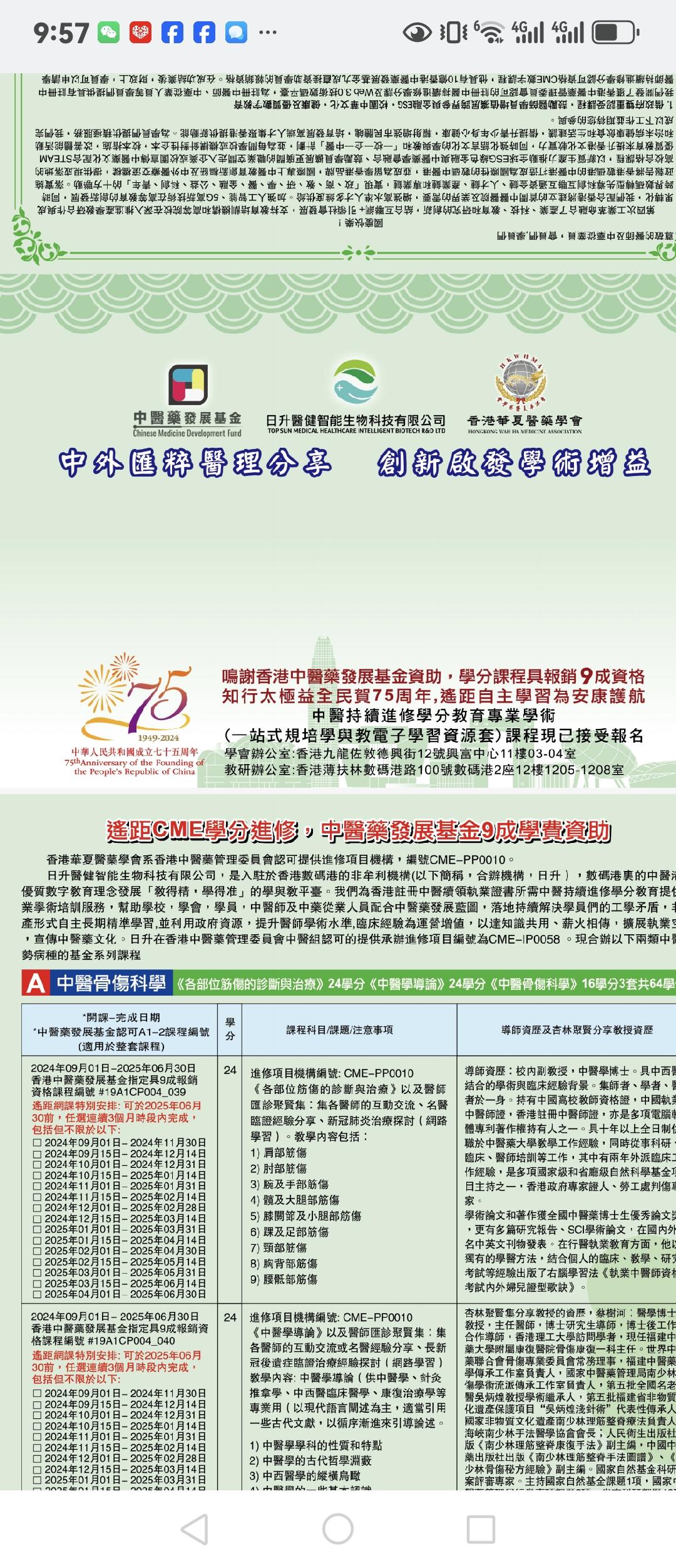
您好!我是蘇景梅(Candy So)。6.30結束的24學分9成資助的其中一門很有意義的課程——《中醫學導論》,想跟您分享。
Hello! This is Candy So (Su Jingmei). I am writing to share with you a remarkable course that concluded on June 30th: Introduction to Chinese Medicine, a 24-credit program with 90% funding support.
這門課程是中醫學、針灸推拿學、中西醫臨牀醫學、康復治療學等專業的入門課程,也屬於新增教材之一,符合衞生部“十二五”規劃,以現代語言闡述為主,還適當引用古代文獻。
As an introductory course for disciplines including Chinese Medicine, Acupuncture and Tuina, Integrated Chinese-Western Clinical Medicine, and Rehabilitation Therapy, it is part of the newly updated curriculum aligned with the “12th Five-Year Plan” of China’s Ministry of Health. The content is primarily presented in modern terminology, complemented by carefully selected ancient medical texts.
課程內容豐富,從中醫的學科性質、發展歷史,到古代哲學根源、理論體系特點和醫學模式,再到對生命、疾病、康壽的認識,以及治療思想和養生實踐,都有涉及。它能幫助學生系統瞭解中醫,也為後續深入學習打下基礎。
The curriculum offers a comprehensive overview, spanning the disciplinary nature and historical development of Chinese medicine, its ancient philosophical foundations, theoretical framework, and medical models, to insights into life, disease, health, therapeutic principles, and preventive practices. It equips students with a systematic understanding of Chinese medicine and establishes a solid foundation for advanced studies.
我覺得,這門課程無論是對中醫初學者,還是中醫藥教授人來説,都有很大的學習價值與分享。不知道您秘書當時有沒與您分享這門課程?
I believe this course holds immense value for both beginners and educators in Chinese medicine. May I ask if your secretary has previously shared information about this course with you?
您可以立即買立即用,還可通過投屏與您在德國學生同步開播上課,省卻您做講稿,Ppt,圖片的工作
The textbook can be purchased and used immediately, with screen-casting functionality for synchronous teaching with your students in Germany. This eliminates the need to prepare lecture scripts, PPTs, or visual aids.
這是高等醫藥教材建設研究會規劃教材:《中醫學導論(供中醫學、針灸推拿學、中西醫臨牀醫學、康復治療學等專業用)》,以現代語言闡述為主,適當引用一些古代文獻,以循序漸進。詳細內容如下:
This textbook is published by the Higher Medical Textbook Development Association: Introduction to Chinese Medicine (for Chinese Medicine, Acupuncture and Tuina, Integrated Chinese-Western Clinical Medicine, Rehabilitation Therapy, etc.). It emphasizes modern language explanations with contextual ancient citations, designed for step-by-step learning. The detailed table of contents is as follows:
第一章 中醫學的學科性質與特點
Chapter 1: The Disciplinary Nature and Characteristics of Chinese Medicine
第一節 中醫學——複雜而多重要素的綜合體
Section 1: Chinese Medicine – A Complex Composite of Multifaceted Elements
1. 醫學的種種界定
1. Diverse Definitions of Medicine
2. 好醫學的期盼
2. Expectations for Ideal Medicine
3. 中醫學的特徵掃描
3. Overview of Chinese Medicine’s Characteristics
第二節 整合性——中醫學的學科特徵
Section 2: Integrativity – The Core Disciplinary Feature
1. 究天人之理——自然科學屬性
1. Exploring Heaven-Human Principles – Natural Science Attributes
2. 不失人情——社會學科特點
2. Embracing Human Context – Social Science Characteristics
3. 醫易一理——醫學與哲學互動
3. Medicine and Yi Philosophy – The Interplay of Medicine and Philosophy
4. 多學科互動滲透的產物
4. A Product of Multidisciplinary Integration
5. 中國獨特的生命科學
5. China’s Unique Life Science Paradigm
第三節 道與術交融的生存智慧體系
Section 3: The Survival Wisdom System Merging Dao (Principles) and Shu (Techniques)
1. 充滿智慧的生存及康健之“道”
1. The Wise “Dao” of Holistic Survival and Wellbeing
2. 源於生存實踐的保健治病之“術”
2. “Shu” – Practical Techniques for Healthcare Rooted in Daily Life
3. 道與術交融的生存智慧體系
3. Integrating Dao and Shu for Holistic Health
第四節 中醫學——可持續發展的生態醫學“藍本”
Section 4: Chinese Medicine – A Blueprint for Sustainable Ecological Medicine
1. 難以持續發展的生物醫學
1. The Unsustainability of Biomedical Model
2. 健康、疾病與生態相關
2. The Ecology-Health-Disease Continuum
3. 參照中醫學,逐步走向生態
3. Toward Ecological Medicine: Lessons from Chinese Medicine
1. 整體觀念
1. Holism
2. 恆動觀念
2. Dynamic Equilibrium
3. 辨證論治
3. Syndrome Differentiation and Treatment
第三節 中醫學的醫學模式
Section 3: Medical Models
1. 醫學模式問題的由來
1. The Evolution of Medical Models
2. 中醫學的“環境一形神”醫學模式
2. The “Environment-Mind-Body” Model
3. 人比病重要——中醫學模式的精髓
3. Human Centricity – The Essence of Chinese Medicine
4. 走向合理醫學的重要參照
4. A Reference for Rational Medicine
第五章 中醫學的一些基本認識
Chapter 5: Fundamental Concepts of Chinese Medicine
第一節 天人合一——自成體系的“和諧”觀
Section 1: Tianren Heyi – The Harmony Paradigm
1. 天人合一——自然演進的基本秩序
1. Unity of Heaven and Humanity – Cosmic Order
2. 人與天地相參——與自然和諧
2. Harmonizing with Nature’s Rhythms
3. 形神合一——“心身和諧”,康壽之本
3. Mind-Body Unity – The Foundation of Health
4. “仁”——人人交往中的完美原則
4. “Ren” – Benevolence in Human Relations
第二節 中醫學的生命觀
Section 2: Views on Life
1. 生命肇基於兩精相搏
1. Life Begins with the Union of Two Essences
2. 氣化是生命運動的基本形式
2. Qi Transformation – The Core of Vital Movement
3. 中醫學整體的生命觀
3. Holistic View of Life
4. 生命是機體生長壯老已的過程
4. The Life Cycle: Growth to Decline
5. 生命活動與先、後天的關係
5. Innate vs. Acquired Factors in Life
6. 生命活動中的形神觀
6. Body-Mind Dynamics in Vitality
第三節 中醫學對康壽的認識
Section 3: Views on Longevity
(內容略,與上下文結構一致)
第四節 中醫學對疾病的認識
Section 4: Views on Diseas
第三節 中醫學的認識論——慧然心悟
Section 3: Epistemology – Intuitive Understanding
1. 萬物關聯性與整體思維
1. Holistic Thinking and Interconnectedness
2. 格物致知——主客體交融
2. Inquiry Through Observation – Subject-Object Unity
3. 內景返觀——自我體察自身變化
3. Inner Observation – Self-Reflective Awareness
4. 內省與心悟——非邏輯的創造性思維
4. Introspection and Insight – Non-Logical Creativity
5. 司外揣內——“黑箱”方法雛形
5. External Observation for Internal Inference – The “Black Box” Approach
6. 援物比類——中國式的“類比”方法
6. Analogical Reasoning – The Chinese Model
7. 一分為二——辯證法的原型
7. Dialectical Duality – The Root of Yin-Yang
8. 五行生剋——系統方法的藍本
8. Five Elements Theory – A Systems Approach
9. “形而下,謂之器”——與還原論的異趣
9. “Form Follows Function” – Contrasting Reductionism
10. 形式邏輯,先天不足
10. The Limitations of Formal Logic
第四節 中醫學的方法論——喻利實用
Section 4: Methodology – Pragmatic Application
1. 守道與順應——“無為而無不為”
1. Aligning with Nature – “Action Through Inaction”
2. 效果與實用——“貓論”的流行
2. Pragmatism – “It Doesn’t Matter if a Cat is Black or White”
3. 和諧與平衡
3. Harmony and Equilibrium
4. 試探與反證——“摸著石子過河”
4. Trial and Error – “Crossing the River by Feeling the Stones”
5. 整體方法與多通路調節
5. Holistic Regulation Through Multiple Pathways
6. 狀態調整一另闢蹊徑一
6. State Regulation – Alternative Pathways
7. 持經達變——既守原則,亦重權變
7. Principle and Flexibility – Adapting While Staying Rooted
第四章 中醫理論體系的結構、特點與醫學模式
Chapter 4: Structure, Characteristics, and Medical Models of Chinese Medicine
第一節 中醫理論體系的基本結構
Section 1: The Structural Framework
1. 中醫理論體系的核心
1. The Core Theories
2. 中醫理論體系的其他組成
2. Supplementary Components
第二節 中醫理論體系的主要特點
Section 2: Key Characteristics
第二節 中西醫學主流性本體論比較——異曲同工
Section 2: Comparative Ontology – Qi Monism vs. Atomism
1. 氣一元論與原子論的異同
1. Similarities and Differences Between Qi Monism and Atomism
2. 異曲同工及其匯通趨勢
2. Convergence and Complementarity
第五節 不同的發展機遇——明清以降
Section 5: Diverging Opportunities – From Ming-Qing Dynasty Onward
1. 文藝復興催生實證科學騰飛
1. Renaissance and the Rise of Empirical Science
2. 生物醫學活力四濺
2. The Dynamism of Biomedical Science
3. 明清中醫學,舊路上蹣跚而行
3. Stagnation in Chinese Medicine During Ming-Qing
4. 近代中醫學,夾縫中求生存
4. Modern Chinese Medicine: Survival Between Two Worlds
第六節 轉折點上的世界醫學——現時代
Section 6: World Medicine at a Turning Point – The Modern Era
1. 現代醫學的發展趨勢
1. Trends in Modern Medicine
2. 中醫學的發展空間
2. The Future of Chinese Medicine
第三章 中醫學的古代哲學淵藪
Chapter 3: Philosophical Foundations of Chinese Medicine
第一節 中醫的本體論——氣一元論
Section 1: Ontology – Qi Monism
1. 農耕文化與氣一元論
1. Agrarian Culture and Qi Monism
2. 氣一元論的形成與發展
2. The Formation and Evolution of Qi Monism
3. 氣一元論的基本內容
3. Core Tenets of Qi Monism
4. 精氣神學説
4. The Jing-Qi-Shen Theory
第二章 中西醫學的縱橫鳥瞰
Chapter 2: A Cross-Cultural Perspective on Chinese and Western Medicine
第一節 起源和孕育——上古時代
Section 1: Origins – The Ancient Era
1. 醫技源於本能
1. Medical Skills Rooted in Human Instincts
2. 走出巫醫叢林
2. Emerging from Witchcraft Medicine
第二節 不同的價值取向——軸心時代
Section 2: Diverging Values – The Axial Age
1. 地域文化的差異
1. Regional Cultural Divides
2. 古代理性醫學的確立
2. The Rise of Rational Medicine in Antiquity
3. 兩種醫學的貌合神離
3. Superficial Similarities, Deep Differences
第三節 不同的發展方向——兩個代表人物為標記的分道揚鑣
Section 3: Diverging Trajectories – Marked by Key Figures
1. 農耕實用文化與張仲景
1. Agrarian Pragmatism and Zhang Zhongjing
2. 不同的科技傳統
2. Contrasting Scientific Traditions
3. 《傷寒論》確立的實用臨牀體系
3. Treatise on Febrile Diseases and Clinical Pragmatism
4. 航海文明與希臘羅馬醫學
4. Maritime Civilization and Greco-Roman Medicine
5. 蓋倫與西方醫學的實驗精神
5. Galen and the Experimental Ethos in Western Medicine
第四節 迥異的境遇——中世紀
Section 4: Contrasting Fortunes – The Medieval Period
1. 西方醫學的低谷
1. The Decline of Western Medicine
2. 中國醫學的興盛
2. The Prosperity of Chinese Medicine
第五節 不同的發展機遇——明清以降
Section 5: Diverging Opportunities – From Ming-Qing Dynasty Onward
1. 文藝復興催生實證科學騰飛
1. Renaissance and the Rise of Empirical Science
2. 生物醫學活力四濺
2. The Dynamism of Biomedical Science
3. 明清中醫學,舊路上蹣跚而行
3. Stagnation in Chinese Medicine During Ming-Qing
4. 近代中醫學,夾縫中求生存
4. Modern Chinese Medicine: Survival Between Two Worlds
第六節 轉折點上的世界醫學——現時代
Section 6: World Medicine at a Turning Point – The Modern Era
1. 現代醫學的發展趨勢
1. Trends in Modern Medicine
2. 中醫學的發展空間
2. The Future of Chinese Medicine
第三章 中醫學的古代哲學淵藪
Chapter 3: Philosophical Foundations of Chinese Medicine
第一節 中醫的本體論——氣一元論
Section 1: Ontology – Qi Monism
1. 農耕文化與氣一元論
1. Agrarian Culture and Qi Monism
2. 氣一元論的形成與發展
2. The Formation and Evolution of Qi Monism
3. 氣一元論的基本內容
3. Core Tenets of Qi Monism
4. 精氣神學説
4. The Jing-Qi-Shen Theory